Anza Wave Espresso Machine Review 2026: Features & Design
Do you want espresso that looks like art and tastes like magic? The Anza Wave Espresso Machine might be your answer.
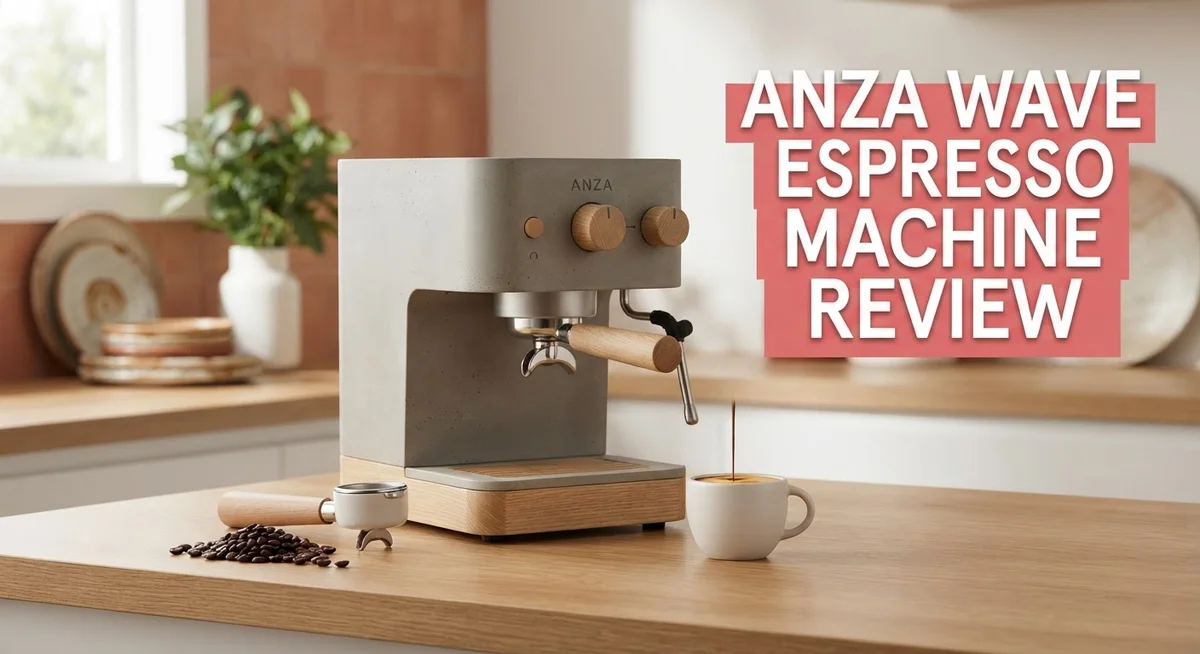
This machine stands out with a bold brutalist concrete design. It looks like a small sculpture on your countertop.
But looks are not everything. The Anza Wave also brings serious brewing power to your kitchen.
In a Nutshell
- Bold design: The concrete build makes this machine a countertop centerpiece. It looks nothing like typical espresso machines.
- Steady brewing: The PID-controlled boiler keeps temperature locked at 93°C. Every shot gets consistent heat.
- Smart pressure control: A 15-bar pump delivers a refined 9-bar output. This balance helps pull balanced espresso shots.
- Steam power: The boiler creates strong steam for silky microfoam. Milk drinks turn out smooth and creamy.
- Single boiler limitation: You cannot brew espresso and steam milk at the same time. Plan your drink making in steps.
- Maintenance effort: Cleaning this machine takes patience over time. Regular upkeep keeps it running well.
- Adjustability limits: Temperature and pressure settings stay fairly fixed. Advanced users may want more control.
Design and Build Quality
The Anza Wave’s physical construction reveals thoughtful engineering choices that go beyond its famous concrete aesthetic. The machine weighs 15 kg, which provides stability on your counter without requiring permanent installation. This substantial build means the device resists vibration during operation, keeping your espresso shots consistent.
The stainless steel boiler sits at the heart of this machine. It holds 300 ml of water and pairs with a powerful 1350 W heating element. This combination ensures rapid heat recovery between shots, which matters when you’re pulling multiple espressos. The water tank capacity reaches 1.5 L, reducing how often you need to refill during a typical morning routine.
Material quality stands out throughout the design. The concrete exterior isn’t just for looks. It functions as thermal mass, helping the boiler maintain stable temperatures. Stainless steel components resist corrosion and wear over years of daily use. These materials work together to create a machine built for longevity.
The pump mechanism deserves attention here. The 15-bar ULKA vibratory pump generates significant pressure, but the machine limits delivery to 9 bars. This refined pressure output prevents over-extraction and produces sweeter, more balanced shots. The pressure regulation happens internally, so you won’t find complicated dials to adjust.
One structural reality affects your workflow. The single boiler design means you cannot brew espresso and steam milk simultaneously. If you want a cappuccino, you pull your shot first, then switch to steam mode. This isn’t a flaw in construction, but rather a design choice that keeps the machine compact and focused.
The overall build prioritizes durability and function. Every component connects logically, and the layout makes sense even if maintenance requires some effort. The machine feels solid in your hands and sits confidently on any countertop. This is equipment built to perform, not merely to occupy space.

- Make Your Favorite Espresso Coffee At Home: The CASABREWS coffee machine with milk frother allows...
- Professional 20 Bar Pressure System: Semi-Automatic 2-in-1 Espresso Maker, with 20 bar professional...
- Milk Frothing System: Our espresso machine with milk frother has a powerful steam wand, so you can...
- Compact, Stylish & Practical: The beautiful and compact design makes this small espresso machine...
- Useful Tips: Please kindly note that do not brew coffee immediately after frothing milk. The machine...
Last update on 2026-08-28 / Affiliate links / Images from Amazon Product Advertising API Some of the links on this website are affiliate links, which means that at no additional cost to you, I earn a commission if you click through and make a purchase. I only recommend products and services that I believe will add value to my readers. Thank you for your support!
Brewing Performance and Temperature Control
The Anza Wave excels at one critical job: holding your brew temperature rock solid. The PID-controlled boiler monitors heat constantly and adjusts automatically. This means every shot you pull stays consistent, shot after shot. You get the same flavor profile whether you brew your first cup or your tenth.
The machine maintains 93°C (199.4°F) as its target brew temperature. This sweet spot extracts espresso flavors without burning them. The 300 ml stainless steel boiler heats water efficiently using a 1350 W element. Thermal stability like this matters because temperature swings ruin extraction.
Pressure delivery is where the Anza Wave shows restraint. The 15-bar ULKA vibratory pump doesn’t push full force. Instead, it limits output to 9-bar delivery. This refined pressure works perfectly for the machine’s design philosophy. You avoid over-extraction and channeling problems that plague aggressive machines.
Steam performance stands out as genuinely impressive. The boiler generates strong steam that froths milk into silky microfoam. Baristas love this capability. Your cappuccinos and lattes develop that velvety texture that separates good drinks from great ones.
One workflow reality shapes how you brew: this is a single boiler machine. You cannot brew espresso and steam milk simultaneously. You finish your shot, wait for the boiler to climb to steam temperature, then froth. This means your brewing rhythm differs from dual boiler machines. Some users adapt easily. Others find it frustrating.
Temperature adjustability has limits here. The PID system keeps things locked in. You cannot dial the brew temperature up or down to experiment. This consistency is intentional. It removes variables that confuse newer espresso makers. Experienced users might feel constrained by this fixed approach.
The overall thermal architecture prioritizes reliability over flexibility. Every component works together to hit that 93°C target repeatedly. The result is predictable, quality espresso that you can trust. This stability forms the foundation of the Anza Wave’s brewing reputation.
Steam Power and Milk Frothing Capability
The Anza Wave’s steam capability stands as one of its strongest features for milk based drinks. The 300 ml stainless steel boiler generates powerful steam that cuts through milk with real force and consistency.
When you activate the steam wand, you get strong, reliable pressure that lets you create silky microfoam quickly. The steam doesn’t sputter or fade mid frothing. This matters because quality microfoam requires steady, uninterrupted steam flow. The Anza Wave delivers exactly that.
The heating element runs at 1350 W, which means the boiler recovers steam fast between shots. You won’t wait long for pressure to rebuild after you finish frothing. This recovery speed keeps your workflow smooth when you’re making multiple drinks.
One important detail: the machine uses a single boiler setup. This means you cannot brew espresso and steam milk at the same time. You finish your shot, then switch to steam mode. Some users find this workflow natural. Others prefer dual boiler machines that handle both tasks simultaneously. It’s a real limitation worth understanding before you buy.
The steam wand itself responds well to hand positioning. You can angle it to create different microfoam textures. Some baristas prefer thick, velvety foam. Others want thinner, pourable milk. The Anza Wave gives you control over both styles through technique alone.
Temperature stability helps here too. Since your brew temperature stays locked at 93°C through PID control, the boiler doesn’t swing wildly when you switch between brewing and steaming. This consistency means your steam quality remains predictable from drink to drink.
The real strength lies in how the machine maintains steam pressure without fluctuation. You get the same silky texture on your tenth cappuccino as you did on your first. For espresso enthusiasts who care about milk drink quality, this reliability matters significantly.
If your routine includes regular milk based beverages, the Anza Wave’s steam performance will satisfy you. The combination of power and consistency creates excellent microfoam results.
Top 3 Alternatives
Breville Barista Express

- The Breville Barista Express delivers third wave specialty coffee at home using the 4 keys formula...
- DOSE CONTROL GRINDING: Integrated precision conical burr grinder grinds on demand to deliver the...
- OPTIMAL WATER PRESSURE: Low pressure pre-infusion gradually increases pressure at the start and...
- Receive 2 free bags of specialty coffee when you purchase and register any Breville coffee machine...
- PRECISE ESPRESSO EXTRACTION: Digital temperature control (PID) delivers water at precisely the right...

Last update on 2026-06-17 / Affiliate links / Images from Amazon Product Advertising API Some of the links on this website are affiliate links, which means that at no additional cost to you, I earn a commission if you click through and make a purchase. I only recommend products and services that I believe will add value to my readers. Thank you for your support!
DeLonghi Dedica
No products found.
Gaggia Classic Pro

- Solid Steel Housing, Made in Italy
- 9 Bar Espresso Extractions
- Stainless Steel 58mm Commercial Portafilter
- Commercial Three Way Solenoid Valve
- Commercial Steam Wand
Last update on 2026-06-10 / Affiliate links / Images from Amazon Product Advertising API Some of the links on this website are affiliate links, which means that at no additional cost to you, I earn a commission if you click through and make a purchase. I only recommend products and services that I believe will add value to my readers. Thank you for your support!
Boiler System and Heating Element
The Anza Wave uses a stainless steel boiler with a 300 ml capacity paired with a powerful 1350 W heating element. This combination creates the thermal foundation that makes the machine work reliably day after day.
Your brew water reaches 93°C (199.4°F) thanks to PID temperature control. This system monitors heat constantly and adjusts power to keep your shots consistent. You won’t see wild temperature swings between pulls, which matters for espresso quality.
The heating element’s 1350 W power output means fast recovery. When you switch from brewing to steaming, the boiler bounces back quickly. You spend less time waiting and more time pulling shots or frothing milk.
One key limitation affects your workflow here. The single boiler design means you cannot brew espresso and steam milk at the same time. You finish your shot, then switch modes to heat milk. This isn’t a dealbreaker for most home users, but it does require planning your drink sequence.
Temperature adjustability sits at the lower end compared to other premium machines. You get PID control, which is excellent for stability. However, you cannot dial in custom brew temperatures easily. The machine locks onto its target and holds it firm. This approach prioritizes consistency over flexibility.
The 15 bar ULKA vibratory pump delivers pressure to your portafilter, but the machine limits actual delivery to 9 bars. This prevents over extraction and keeps your shots smooth. The pressure curve remains steady throughout the pull.
Heat stability is genuinely impressive here. The stainless steel boiler absorbs and releases heat evenly. This means your first shot of the morning performs nearly identical to your tenth shot. No temperature ramp up period or drift over time.
The overall thermal design reflects a philosophy: build reliability first, flexibility second. You get a machine that performs the same way every single time you use it. The heating system won’t surprise you with inconsistency. For users who value predictable results over endless adjustments, this approach delivers exactly what matters.
Ease of Cleaning and Maintenance
Cleaning the Anza Wave requires attention and patience. The machine’s design philosophy prioritizes durability, but this means some internal components demand regular care to stay in top shape.
The stainless steel boiler sits at the heart of maintenance tasks. You’ll need to flush the group head regularly to prevent coffee oil buildup. This step keeps your espresso tasting fresh and prevents blockages that slow down water flow.
Descaling becomes important every few months, depending on your water hardness. The 1.5 L water tank makes it easy to run descaling solution through the system. You simply fill the tank, run water through the group head and steam wand, then flush with fresh water. This process takes about 15 minutes and protects the heating element from mineral deposits.
The single boiler design actually simplifies some cleaning tasks. You don’t have multiple boiler sections to maintain, which reduces complexity. However, switching between brewing and steaming means you’ll clean the steam wand frequently. Milk residue hardens quickly, so wipe the wand immediately after each use. A damp cloth removes fresh milk easily, but dried milk requires soaking.
Group head maintenance matters here too. Remove the shower screen and soak it weekly in hot water with a cleaning tablet. The dispersion screen underneath also benefits from regular attention. These small parts prevent pressure issues and maintain even water distribution.
One realistic note: the Anza Wave’s internal passages can accumulate scale over time if you skip descaling. This isn’t unique to this machine, but it does require consistency from you. Set a monthly reminder and stick to it.
The backflush capability (if your model includes a 3-way solenoid valve) helps push water backward through the group head. This action dislodges stuck coffee grounds and oils. Check your specific model to see if this feature applies.
Overall, maintenance sits at a moderate level. You won’t spend hours cleaning, but you also can’t ignore the machine for weeks. Regular, simple steps keep the Anza Wave performing reliably for years ahead.
Pros and Cons
Pros
- Distinctive brutalist concrete design stands out on any countertop
- PID temperature control keeps brew water rock solid at 93°C without drift
- Powerful 1350 W heating element recovers steam pressure fast between shots
- Silky microfoam quality rivals machines that cost significantly more
- Reliable espresso extraction day after day with minimal fuss
Cons
- Single boiler means you cannot brew espresso and steam milk at the same time
- Internal passages accumulate scale over time, requiring regular descaling attention
- Temperature and pressure adjustability fall short compared to other premium machines
- Cleaning and maintenance demand patience, especially around the group head area
Who Should Buy It
The Anza Wave suits specialty coffee enthusiasts who prioritize consistency over convenience. You appreciate machines that deliver reliable espresso shots without constant adjustment. If you value temperature stability and steam quality, this machine earns your attention.
Home baristas with patience fit this profile well. You don’t mind learning proper technique. You enjoy the ritual of espresso preparation. You spend time dialing in your grind and tamping correctly.
The brutalist concrete design appeals to you if your kitchen leans toward industrial or minimalist aesthetics. This machine becomes a statement piece on your counter. It doesn’t hide behind chrome or plastic. The raw material choices reflect intentional design thinking.
You should buy this machine if you brew espresso primarily. The single boiler limits simultaneous brewing and steaming. Your typical workflow involves making one or two shots, then steaming milk afterward. You’re not rushing through back-to-back lattes for a crowd.
Coffee lovers with stable water quality find success here. Hard water requires frequent descaling. Soft water keeps maintenance simpler. If you already use filtered water or live in a soft water area, this machine performs beautifully.
You need patience for maintenance routines. Descaling every few months becomes part of your ritual. You’re willing to backflush the group head regularly. You understand that internal passages need attention to prevent scale buildup.
The Anza Wave works best for people who value reliability over flexibility. You don’t need endless temperature adjustments. You don’t tweak pressure settings constantly. You want a machine that performs the same way every morning.
Skip this machine if you brew espresso and steam milk simultaneously for multiple drinks. Skip it if you prefer minimal maintenance. Skip it if you need maximum temperature or pressure control.
This is your machine if you’re committed to espresso craft. You see maintenance as part of the hobby, not a burden. You want consistent results from a visually striking appliance. You’re ready to invest time learning your machine’s personality and preferences.
Final Verdict
The Anza Wave Espresso Machine earns its place among serious home brewing tools. It delivers consistent shots and creamy microfoam every single time.
This machine rewards patience. If you enjoy the ritual of coffee making, the Anza Wave fits your routine perfectly.
Casual coffee drinkers might find this machine less appealing. The single boiler and manual attention required can feel like extra work for someone who just wants a quick cup.
Who should walk away happy? Anyone who treats espresso as a craft rather than a chore. The learning curve rewards those who stick with it.
The concrete build isn’t just about looks. It signals a machine built for people who care about the process as much as the result.
We think the PID controlled temperature sets this machine apart from many competitors in its class. That stability translates directly into better tasting espresso.
Steam power stands out as another highlight. Milk froths quickly and smoothly, giving you that silky texture baristas aim for.
Compare this to something like the Juni Coffee Machine, and you’ll notice the Anza Wave leans harder into raw performance over convenience features.
Flexibility takes a back seat here. You get one boiler, one job at a time, and a machine that asks you to plan your brewing sessions.
That tradeoff isn’t a dealbreaker. It’s simply a design choice that suits a specific type of coffee lover.
Our final take: the Anza Wave Espresso Machine is a strong pick for anyone who wants café quality espresso at home. It shines brightest for people who brew often and don’t mind a bit of upkeep.
If your mornings involve steaming milk and pulling shots back to back for a household, look elsewhere. But if espresso is your main focus, this machine delivers real satisfaction cup after cup.
In short, the Anza Wave rewards commitment with genuinely excellent coffee.
Frequently Asked Questions
Does the Anza Wave heat up quickly between shots?
Yes. The 1350 W heating element powers up fast. You’ll pull consistent shots without long waits. The stainless steel boiler holds 300 ml of water, so temperature recovery stays snappy even back to back.
The PID controlled system keeps brew temperature locked at 199.4°F (93°C). This means every shot tastes the same, shot after shot. No guessing. No adjusting mid-pull.
Can I brew espresso and steam milk at the same time?
No. The Anza Wave uses a single boiler design. You brew espresso first, then switch modes to steam.
This workflow takes planning. You need to think ahead about your drink order. If you make multiple lattes or cappuccinos in a row, you’ll switch between brewing and steaming repeatedly. Some people love this simplicity. Others find it limiting.
How difficult is cleaning and maintenance?
Cleaning requires patience. The group head area traps coffee grounds and oils. Internal passages accumulate scale over time, especially if your water quality varies.
Regular descaling keeps the machine running smoothly. Budget extra time for this task. The brutalist concrete exterior looks stunning but needs gentle care too. Harsh chemicals can damage the finish.
What water quality does this machine need?
Stable water quality matters here. Soft or filtered water works best. Hard water causes faster scale buildup inside the boiler and group head.
If your tap water is mineral heavy, consider a water filter. This simple step cuts maintenance time and extends machine life. The machine rewards users who pay attention to their water.

Hi there! I’m Lilith Smith, the heart and hands behind getrecipes.blog . Cooking has always been my greatest passion, and through this blog, I get to share that love with all of you. Whether it’s a cozy family dinner or an adventurous new dish from across the globe, I pour my creativity into every recipe I create